Common Causes of Drywell Failure and What Professional Drywell Repair Involves
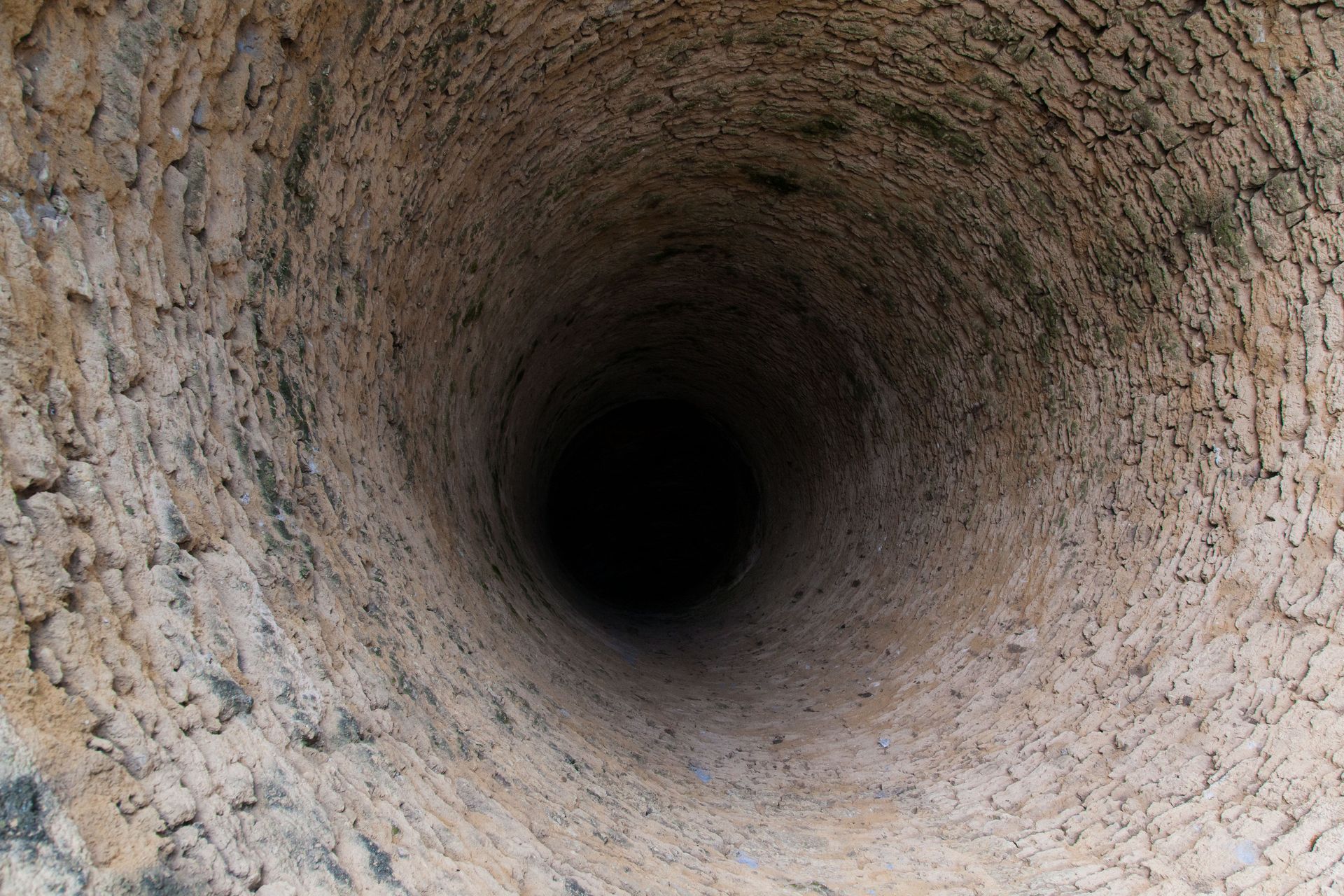
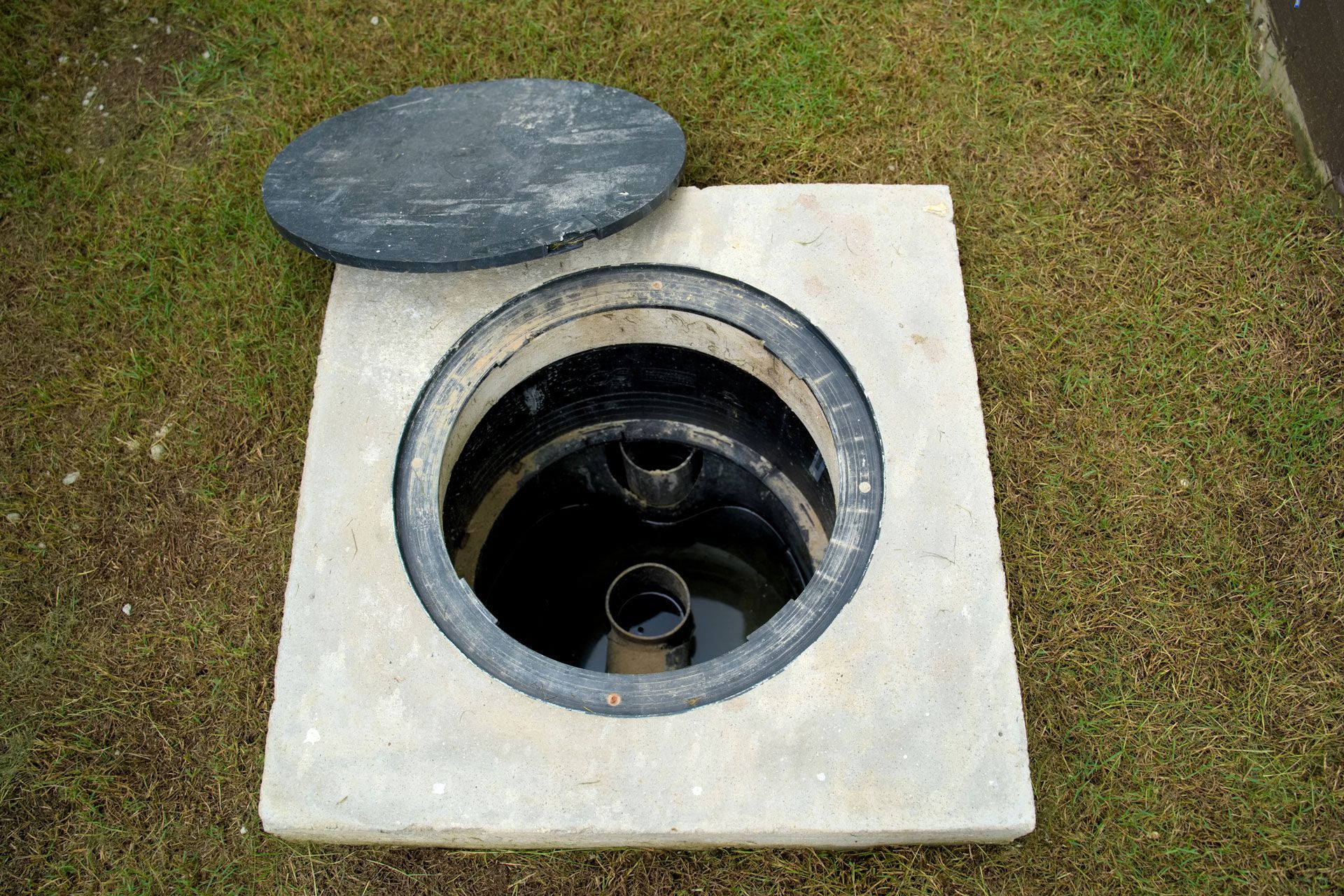
Knowing when a drywell starts to fail can save homeowners from costly property damage, and understanding what professional drywell repair involves helps set realistic expectations before work begins. Drywells are underground structures designed to collect and slowly disperse water into surrounding soil. Over time, several factors can cause them to stop working properly, particularly in areas with clay-heavy soils like those found throughout Sacramento County.
What Causes a Drywell to Fail?
Drywell failure most often happens when soil around the structure can no longer absorb water effectively. The most common causes include:
- Soil saturation. When surrounding soil becomes fully saturated, typically during wet winters in the Sacramento Valley, water has nowhere to go and begins backing up into the well.
- Sediment and debris buildup. Over years of use, fine particles, organic matter, and silt can coat the interior walls and gravel lining, reducing how much water can pass through.
- Structural collapse. Walls or the lid of an older drywell may crack or cave inward due to ground movement, vehicle traffic overhead, or aging materials.
- Root intrusion. Tree and shrub roots can grow into the well, blocking water flow and causing internal damage over time.
- Overloading. Connecting too many drainage sources, such as roof gutters, sump pumps, and area drains, can overwhelm the system faster than the soil can absorb water.
Each of these issues may develop gradually, making early professional assessment especially valuable.
What Does Professional Drywell Repair Involve?
Professional drywell repair in Elk Grove, CA, typically begins with a thorough inspection. A technician will assess the depth, structural condition, and drainage performance of the well before recommending a course of action.
Step 1 - Inspection and Diagnosis
A professional uses visual inspection and, in some cases, camera equipment to evaluate the well walls, surrounding gravel, and inlet pipes. This step identifies whether the problem is a clog, structural damage, root intrusion, or soil failure.
Step 2 - Cleaning and Jetting
If sediment and debris are the primary culprits, high-pressure water jetting may be used to clear the interior walls and gravel bed, restoring drainage capacity without requiring full replacement.
Step 3 - Structural Repairs or Relining
Cracked or compromised walls may be patched or relined to restore structural integrity. In cases of significant collapse, partial excavation and rebuilding of affected sections may be necessary.
Step 4 - Gravel and Drainage Bed Restoration
If the internal drainage media has become fully clogged, the surrounding gravel may need to be replaced or supplemented to allow water to percolate again.
Step 5 - Final Testing
After repairs are completed, the technician will run water through the system to confirm drainage has been restored and no new issues are present before closing the site.
The scope of any repair depends on the age of the system, the extent of damage, and the soil conditions specific to the property.
Get Expert Drywell Repair Serving Elk Grove, CA
Rio Linda-based Lamar A-1 Septic Service Inc. proudly serves Elk Grove, CA, and surrounding communities with professional drywell repair and related septic services. If your drywell is showing signs of trouble, getting a qualified inspection sooner rather than later can prevent a small issue from becoming a much larger one.
Visit the drywell repair service page to learn more about available solutions, or contact the team to schedule a service call. You can also reach Lamar A-1 Septic Service Inc. directly by calling (916) 991-4747 .